2026 Honduras Delegation Information
02/27/2026-03/02/2026
Honduras Brief
The Partnership for Participatory International Policy (P-PIP), at the request of the Civic Council of Popular and Indigenous Organizations of Honduras (Consejo Cívico de Organizaciones Populares e Indígenas de Hondura, COPINH), will be leading a delegation of US Congresspeople to Honduras, planned to coincide with the 10th commemoration of the assassination of Berta Cáceres.
The delegation will take place shortly after a new government is set to assume power in Honduras following the tumultuous and controversial November 2025 general elections. Despite taking place over two weeks ago, results have still not been announced and significant technical problems have undermined confidence in the democratic process and may cause further delays. Additionally, the elections faced an unprecedented amount of foreign intervention. Just days before the vote, Trump publicly announced his public support for the National Party candidate, Nasry “Tito” Asfura, and a pardon for ex-President and convicted drug trafficker, Juan Orlando Hernández, also from the National party, sentenced to 45 years in prison by a New York jury. The U.S.’s actions in Honduras came shortly before the Trump administration announced the “Trump Corollary” to the Monroe Doctrine, suggesting that Honduras may be exemplary of this new policy. Given the U.S.’s powerful influence in Central America, Trump’s communications are believed to sway voters particularly given the U.S. 's hard and threatening stance on tariffs and immigration, and close relationships with investors linked to a libertarian, private city located on the island of Roatan, called Próspera Group.
For offices able to join the delegation early, we will visit Próspera to learn about their project and their libertarian vision at a time when the investors, empowered by Trump, seek to reinvigorate the project after losing constitutional status under the previous administration. The delegation will focus on exchanges with Honduran civil society groups impacted by US foreign policy, including the Afro-Indigenous Garifuna communities on the Atlantic coast, small farming and land rights defenders from the Aguan Valley, feminist and LGBT+ organizations in San Pedro Sula, and anti-corruption groups from Tegucigalpa. We'll have meetings with COPINH and attend a full day of commemoration activities in the town of La Esperanza. We'll end the trip with bilateral meetings with the Honduran government, providing critical opportunities to meet with the new administration.
Required Forms
Delegation Coordinators
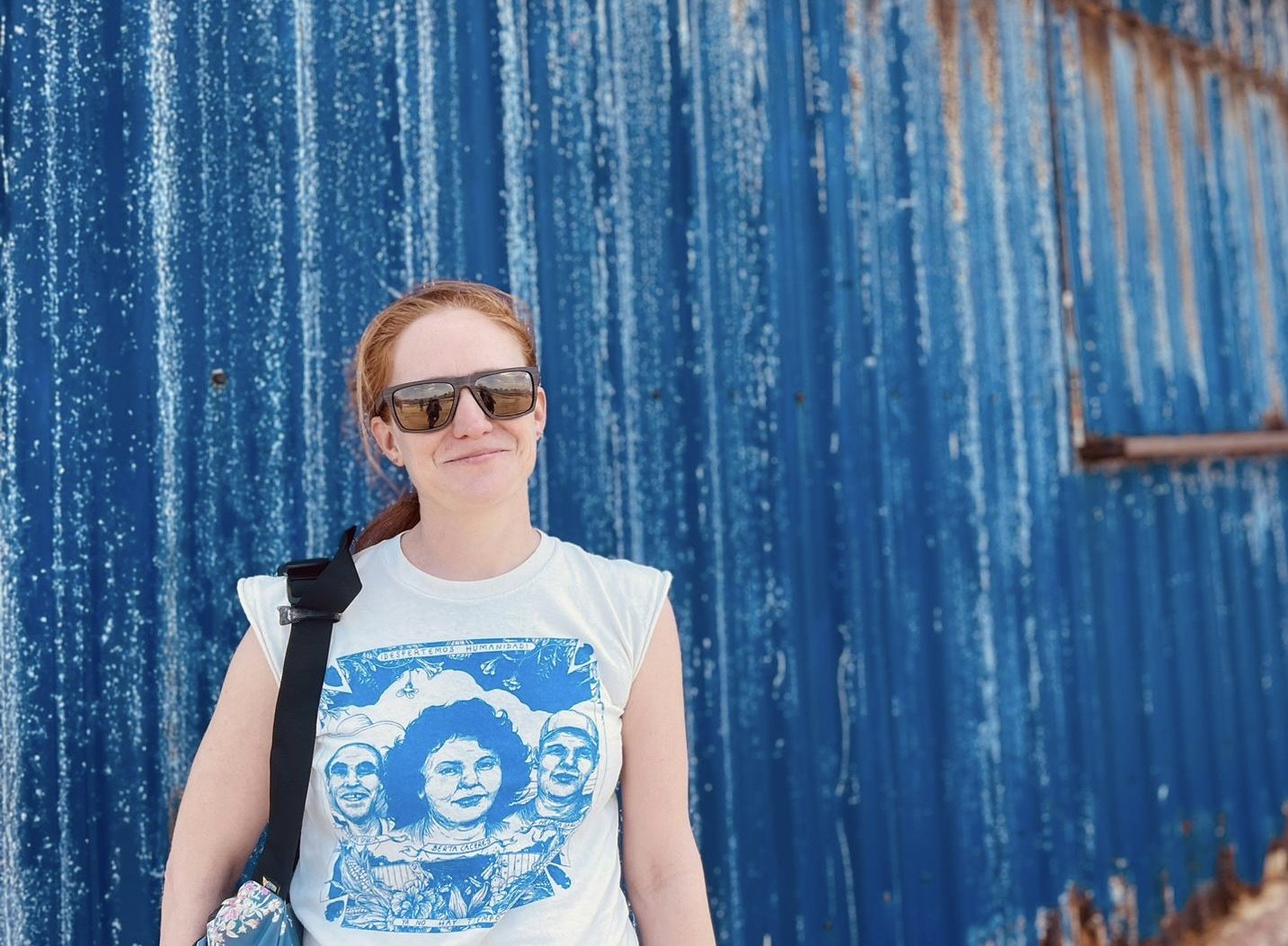
Elise Roberts
Founder and director of the Partnership for Participatory International Policy (P-PIP). Elise holds a BA in Sociology from Macalester College and an MSW focused on international nonprofits from Columbia University. Elise has coordinated international educational delegations in a variety of formats, including leading study abroad programs on five continents. Before founding P-PIP she worked for ATD Fourth World at the United Nations and Witness for Peace, where she co-founded the Honduras program and coordinated the grassroots and Congressional support for the Berta Cáceres Human Rights in Honduras Act. She has led 30 grassroots delegations focused on the effects of US policies and business practices in Latin America, including 11 Congressional delegations.
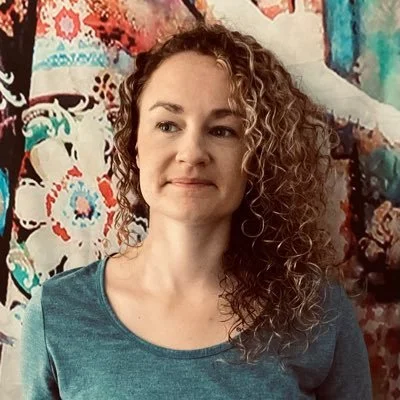
Karen Spring
Co-coordinator of the Honduras Solidarity Network (HSN), an informal network of over 30 organizations from Canada and the U.S. Karen has lived and worked on human rights and policy issues in Honduras since 2009, working alongside Honduran grassroots communities and organizations and leading several dozen delegations to Honduras. Karen is the host of the Honduras Now podcast and is currently a PhD candidate at the University of Ottawa at the School of International Development and Global Studies.
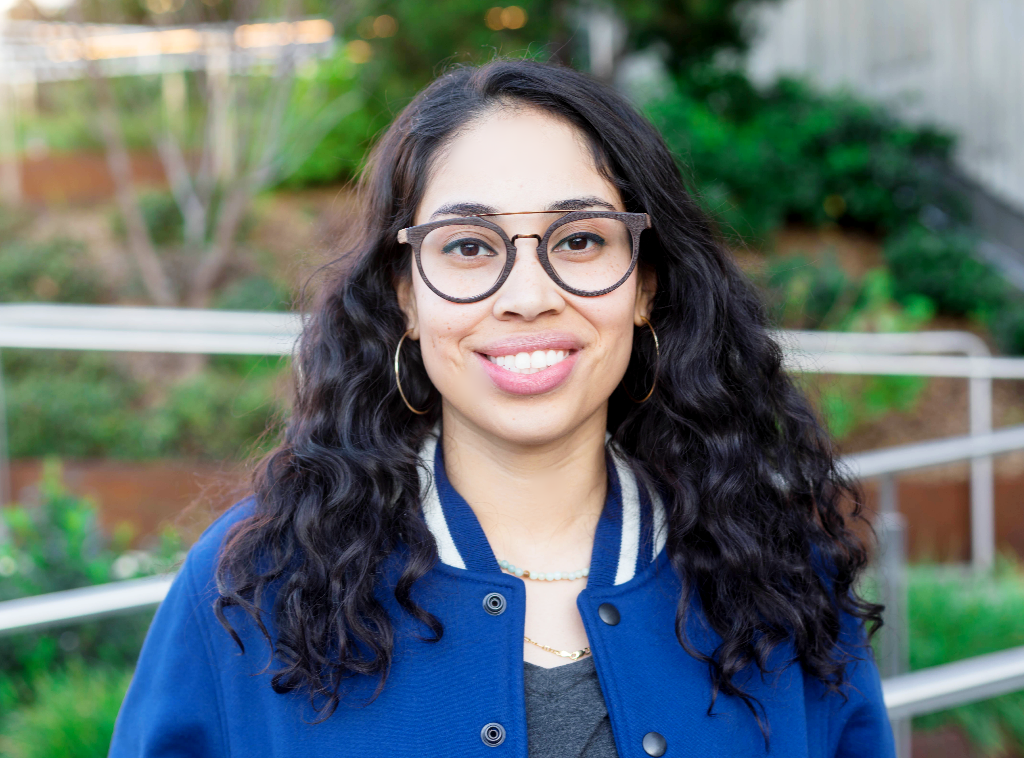
Lulu Matute
Organizing coordinator for the School of the Americas Watch (SOAWatch). Lulu is a founding member of the board of directors for P-PIP and was part of the leadership team for P-PIP’s founding delegation to Guatemala in 2023. As an EMT-B certified Search and Rescue specialist and humanitarian aid volunteer, Lulu combines her passion for service with her academic pursuits. She holds a degree in American Studies from UC Berkeley, where her research emphasized contemporary migration from Central America and the criminalization faced by displaced communities in increasingly militarized border regions. She is a recipient of the Robert and Colleen Haas Scholars and McNair Scholar awards.
Meetings in Honduras
-
OFRANEH emerged in 1978 as a federation of the Garífuna people of Honduras, committed to the defense of their cultural and territorial rights, with the aim of achieving survival as a distinct culture. OFRANEH is the leading Garifuna organization with representation in the over 46 communities across the north coast and also in parts of the U.S. For more about OFRANEH, website, blog, Twitter, Miriam Miranda’s (OFRANEH’s coordinator) twitter
-
COPA was founded in June 1997 in Tocoa, Colon. As an organization, it defends human, environmental, social and popular rights in the Aguan Valley region, made up of 26 grassroots organizations, including trade unions, small farmer, community organizations (Patronatos or elected town councils, community committee and water boards), young people and women.
We are in struggle for the environmental defense, for the non-installation of African palm extraction plants near the city, for the lands assigned by the Agrarian Reform, the lands illegally taken by landowners in the Bajo Aguan, the defense of the human rights (of life, health, water, healthy environment, food sovereignty, participation) of the people and of the organizations that are part of COPA. For more about COPA, visit here
-
The Agrarian Platform is a regional network of more than 35 campesino cooperatives and movements. It is the leading campesino organization defending human and land rights of campesino families in the Aguan Valley region. See the Platform’s Facebook page.
-
The Municipal Committee is an organization in Tocoa, in the department of Colón, comprised of several organizations defending land and environmental rights: the Environmental Committees of Sector San Pedro (13 communities) and Sector Committee Abisinia (14 communities); Environmental Committee of the Community of Guapinol, campesino groups and the organizations Coordination of Popular Organizations of the Aguan (COPA); Fundación San Alonso Rodríguez (FSAR) and Parroquia San Isidro de Tocoa. The objective of CMDBCP is to promote concerted efforts and mobilize resources to protect public goods in the region. Facebook, twitter,
-
The Civic Council of Popular and Indigenous Organisations of Honduras (COPINH) was founded on March 27,1993 with the aim of becoming a unitary reference point for the popular movement in the department of Intibucá, the struggle in defense of the environment, the rescue of the Lenca culture and to improve the living conditions of the region's population.
COPINH is an anti-capitalist, anti-patriarchal and anti-racist, social and political organization of an indigenous, non-profit, pluralist, broad, united and united nature in the south-west of Honduras, with national impact. It is an organization that facilitates the vindication and recognition of political, social, cultural and economic rights, promoting the improvement of the living conditions of the Lenca and Honduran indigenous peoples and communities. It is also a space for debate and constant analysis of the regional and national situation, which promotes actions and proposals on a permanent basis. Website, Facebook, and Twitter
-
Red COMAL is an association of community organizations made up of men and women who promote processes of integral training, production and industrialisation and market development under the principles of solidarity economy. They aim to be an integrating force of community organizations, committed and belligerent to its own cause, contributing to integral local and national development, recognised for the application of economic, social and cultural rights and for the dignity and quality of life of its member families. Website and Facebook.
-
Radio Progreso and ERIC, founded by Jesuits in 1980 and currently led by the renowned Padre Melo, work to improve the human rights of the rural poor in Honduras through reflection, research, and communications. Their work today includes grass-roots radio programming, training on human rights, urging greater government transparency and accountability, community organizing and empowerment, combating violence against women, formation of leadership committed to social change, and assisting returned migrants. Learn more here.
Traveling in Honduras
-
Food in Honduras revolves around certain staples, particularly rice, beans, and tortillas. It is common to eat the staples more than once a day. Chicken is the most common meat. Restaurants generally have a few selections of dishes, however given the size of our group, we may order our meals ahead so they are waiting for us. In these cases, selection will be limited. Lunches and some dinners will be eaten in restaurants and occasionally, in communities. We recommend that those with dietary restrictions bring snacks to supplement the provided meals.
-
The safety of the delegates will be the first priority of the delegation leaders. It will be critical that you maintain an awareness at all times of what is going on around you.. Please do not share information about our itinerary or purpose of the delegation with unknown or curious individuals, even friendly strangers. If the leaders say it is time to move, it is important that delegation members follow all instructions promptly and calmly. Those instructions can be discussed more fully upon arrival to Honduras. If the delegation should be stopped or questioned by authorities, please let the delegation leaders or Honduran driver do the talking. Delegation leaders will know the proper response for interacting with authorities.
-
We will live and work in a collective environment, different in many ways from what you may have experienced before. Our hotels are clean, but modest. Wifi is often available in our hotels but sometimes unreliable. There will be inevitable stress as people adjust to a new environment, and otherwise adapt to their new situation. The most important thing is flexibility and willingness to experience new things outside of your comfort zone. We need to pay conscious attention to the well-being of our group, respecting and being sensitive to each other. As issues arise that interest the entire delegation, whether problems, interesting experiences, or opportunities for new meetings, we will raise them at delegation meetings. Please try to be sensitive to your surroundings and the people you live with. One of the most essential elements of a successful group experience is for all members to be ready to leave for meetings at scheduled times and to balance everyone’s interest in asking questions to be ready to depart for the next meeting according to schedule.
-
We request that participants not give personal individual gifts. There is a wide gulf between solidarity and charity. Following our visits with Honduran groups, delegation leaders will make a donation to the organization in recognition of their time. You may want to bring some extra money for snacks, gift buying, etc: $50 should cover it.
The delegation staff will facilitate money conversion at the airport (or elsewhere) upon arrival and if needed during the delegation. You can bring US dollars to change, or there are ATM machines which can be used to withdraw Lempiras or Lps (the national currency). If you plan to use your ATM or Credit Card, you might want to contact your bank to let them know you will be using your card in Honduras. Otherwise they might block the transaction or put your account on hold.
The currency exchange rate at the moment is approximately 26.5 Lempiras for 1 USD. Usually, it costs approximately $5 USD as a fee every time you withdraw money from a Honduran ATM.
-
Your health is a group concern; if you don't share your problems with your delegation leader, you can affect your and others’ experience. Please check in with us if you feel sick (stomach pain, diarrhea, exhaustion, etc.), and we will work together.
Because of changes in living situation, diet, and climate, you need to take precautions in maintaining your health during the delegation. Your own common sense health precautions are the most important part of staying healthy on a delegation. The most basic are:
Wash your hands before eating.
Eat well and when the opportunity arises.
Drink only safe water (called “agua pura” – purified water) and plenty of it particularly during hot days.
Be cautious when eating uncooked vegetables or salads although most places where we will eat should be ok but everyone’s body responds differently.
Never go barefooted.
Take the tropical sun seriously. Bring and wear a hat and use sunscreen. Drink lots of water
Use insect repellent (mosquitoes are very active)
Get plenty of rest.
Get vaccinations if recommended by your physician.
-
Honduras is served by two cell phone companies (Tigo and Claro). Most U.S. and Canadian cell companies have plans to cover texting and calls in Honduras and cheap data plans for access to the internet from a smartphone. Almost all of our hotels will have Wifi but the quality of that Wifi can be unreliable.
-
Biosecurity Expectations
If you feel sick, let a delegation coordinator know right away so arrangements can be made for you to rest and/or seek appropriate medical intervention. Refrain from taking antibiotics or any other medication immediately.
Drink only bottled/filtered water or other bottled/canned beverages.
Restaurants and meal providers have been chosen in order to minimize risk of food borne illness. Please avoid other
meals and snacks, especially any containing raw fruits or vegetables.
Delegates will not feed or pet dogs, cats, or other animals we may encounter.
Safety Expectations
Delegates will remain with the group at all times and in the hotel at the end of the daily delegation program. As needed, delegation coordinators may accompany participants to attend to any personal needs outside of our planned agenda.
Delegates must obtain consent from delegation coordinators before sharing any logistical details about the delegation, which includes identifying fellow delegates, individuals and organizations we are scheduled to meet with, as well as meeting times and locations.
Delegates will keep their personal documents, delegation agendas, meeting notes, phones and any other logistical or sensitive information secure at all times.
Delegates will not take/share/publish any photos, videos, audio recording, or notes of meetings without the prior knowledge and consent of delegation coordinators and/or the people we are meeting with.
In case of an emergency or any situation deemed a security risk, delegates will follow the lead of the delegation coordinators. The coordinators will debrief the situation once you are safe.
In case of an emergency, a remote security team will contact the U.S. Embassy if they have not already been contacted, as well as any emergency contacts you have provided.
Packing List
We suggest that you pack clothes with three considerations in mind: cultural sensitivity, weather and practicality.
Cultural Sensitivity
Hondurans, including those living in extreme poverty, keep their clothes clean and well pressed. Women wear bras, men generally wear their shirts tucked in, and it is considered very informal for adults to wear shorts.
We suggest that you do not bring flashy or revealing clothing, or expensive equipment/technology that is not necessary.
Weather
It is advisable to bring a rain jacket and other rain gear that you feel you may need. It is normally quite hot during the day but it cools down at night. It is appropriate to bring a sweater or jacket. Right now (February 6, 2026), southern Honduras is experiencing unusually cold temperatures, day and night. In La Esperanza where we will visit, temperatures are as low as 55 degrees Fahrenheit. Although this is not considered cold for many from North America, remember that houses are not built with insulation and sometimes, the temperature is colder indoors than outside. In normal circumstances, expect the temperatures to range between 65 to 86 degrees Fahrenheit.
Weight Limit
We ask that you travel light. Please bring only one piece of luggage, such as a backpack, duffel bag, or suitcase, which will be checked at the airport, and one small carry-on, such as a daypack or large handbag.
Practicality
Pack any important personal items, medicines, and an extra set of clothes and shoes in your carry-on bag, just in case your luggage gets lost. Light clothes that dry quickly are particularly practical as are having a good set of walking shoes or sandals.
NOTE: As a group, we usually purchase big jugs of water to fill up our water bottles and we will have a bag of communal snacks with us in the van at all times. But plan ahead if you need it. Think about what is important to fulfill your basic essential needs and pack accordingly.
-
3-4 bottoms (lightweight pants, skirts or dresses. Ideally, bottoms that are comfortable for both van trips and being in the sun while visiting communities and attending meetings)
At least 4 shirts (t-shirts, tank tops that are not considered at-home wear, button-up shirts are great to use to cover-up from the sun or put overtop of a tank top)
1 formal or business casual outfit (depending on your preferences. We will not be meeting with government officials during this visit).
1 pair comfortable walking shoes or sandals comfortable for walking
1 pair of formal shoes (for the formal outfit if you decide to bring one)
1 pair closed shoes with appropriate socks (optional)
1 pair of flip flops for walking around the hotel, using in showers, pool and beach, etc.
Undergarments and sleepwear
A hat for protection against the sun
Sunglasses
1 light sweatshirt or sweater (sometimes air conditioning is on quite high in various places and certain places get cool at night)
A bathing suit (there may be some beach time)
Umbrella and/or rain poncho
-
Water bottle, IMPORTANT
A lightweight towel (for pools or the beach)
A day pack
A money belt for $ and passport to keep on your person, OPTIONAL
A couple plastic bags for storage and dirty clothes, OPTIONAL
A notebook and pen
Tissues for your day bag (toilet paper in public bathrooms is rare). We will generally have communal toilet paper in the van but good to have some on you just in case.
-
Soap, although most hotels provide some
Razor
Medications
Shampoo and other hair products.
Tampons/pads
Sunglasses
Toothbrush & paste
Insect repellent, we will also have a collective bug spray in the van
Sunscreen, UVA/UVB protection, at least 30 SPF
Hand sanitizer or a small bottle of soap for your day bag, soap in public bathrooms for hand washing is rare
-
We will have a first aid kit with basic supplies including some of the items on this list
Pepto Bismol or Imodium, sufficient for the entire trip
Anti-malaria tablets (if you decide to take them)
Tylenol or aspirin
Band-Aids and pads for blisters
Vitamins (garlic and acidophilus tablets)
Antihistamines for hay fever or allergies, if needed
Bee sting kit (if allergic, very important)
Hydrocortisone cream, Benadryl
-
Try to think about what you really will use and what might enrich the experience of the whole group:
Camera, we will have 1-2 delegates in charge of taking photos
Ear plugs, very important if sound sensitive
Supplemental food for yourself and to share especially for those with special dietary needs and concerns, IMPORTANT if you have dietary restrictions or need a strict eating schedule
Briefing Materials
Key Policy Issues
This is an incomplete list that complements issues that we will likely hear about during our trip and read about in the recommended articles below.
Purpose of Trip
To learn about and evaluate U.S. policy and its impacts in Honduras and more broadly, the Central American region. The trip seeks to highlight the voices and experiences of Honduran organizations and citizens that are involved in changing the structural causes of poverty and migration. Throughout the trip, delegates will learn about key U.S. policy issues and approaches, and discussions during the visit will help draw connections to the issues we learn about and how the U.S. can and has responded to them.
-
In 2023, the U.S. Border Patrol encountered more than 447,000 foreign nationals from the “Northern Triangle countries” (Guatemala, El Salvador, and Honduras) crossing the U.S. southwestern border. Of that total, 181,000 were Honduran. The policies within the U.S. to address migrants in the U.S. or at the border are largely seen as domestic issues, however, efforts to address the push factors or the root causes of migration from the three Central American countries are largely not discussed or presented in a manner that simply promote more of the same U.S. policy that is believed to have been driving migration in the first place
The root causes of migration are complex and include socio-economic factors, natural disasters, security conditions, land dispossession, exploitation, and governance. However, in Honduras like in other parts of the world, the U.S. has failed to critically examine its own current and historical role in driving migration.
-
We will be attending a large gathering in La Esperanza, Intibuca to commemorate the ten year anniversary of Berta Cáceres’ assassination or ‘siembra’ (planting) as Hondurans often say. When Caceres was murdered, she was involved in efforts to oppose the construction of a hydro-electric dam project in Indigenous territories in the area known as Rio Blanco, Intibuca. Her murder is emblematic of the violence, threats, and criminalization faced by land, environmental and human rights defenders, and the powerful interest behind large-scale development projects in Honduras and the Central American region more broadly.
Honduras is known for being one of the most dangerous places in the world to be a land and environmental defender. One of the principal reasons for this is because defenders speak out against powerful interests and figures including large-landowners, the historical wealthy Honduran elite made up of approximately 10-12 families, organized criminal groups, and corrupt security forces. Often many of these actors receive support or are tied to foreign, including U.S. companies and the U.S. Embassy in Tegucigalpa.
On September 14, 2024, Juan Antonio López, a national leader, land and water defender, religious figure, and elected town council member in Tocoa, was assassinated in Tocoa, Colón after leaving church with his family. López had previously been criminalized and continued to receive serious threats against his life for leading a years-long opposition campaign to a mega-project involving mining, energy generation and iron ore pelletizing plant inside the Carlos Escaleras National Park. The project is funded and owned by Honduran businessman Lenir Pérez, who has strong ties to the Honduran military and the U.S. steel company, Nucor Corporation. Juan, like Indigenous activist Berta Cáceres, the four disappeared Garifuna leaders from Triunfo de la Cruz, hundreds of small farmers in the Aguan Valley, and others, denounced the risk they faced and received little to no response from the Honduran government and judiciary.
-
Land conflict is a long-standing issue in Honduras dating as far back as the dominant presence of the U.S. banana companies that occupied some of Honduras’ most fertile lands and used their influence to maintain policies favorable to their interests (hence the term ‘banana republic’ that is often used to describe Honduras). Today, particularly along the north coast, a lot of Honduras’ arable land remains in the hands of large landowners that grow export or monoculture crops including bananas, coffee, sugarcane, citrus fruits, and African palm. In Indigenous and Afro-Indigenous Garifuna communities, ancestral titles and ancestral use of lands are undermined by pro-privatization policies that seek to destroy or reduce collectively-owned land into individual land plots or systematically reduce ancestral titles using land reform programs (many funded by the World Bank). Additionally, the Garifuna along the Caribbean coast are affected by the global drug trade, global tourist industry, and agro-business.
The former Castro administration (2022-2026) formed a Truth Commission to investigate the land-related human rights abuses and historical land conflicts in the Aguan Valley, and on a national level, the Commission for Agrarian Security and Access to Land that has been criticized by both progressive and conservative forces in the country that remain skeptical of its aim. The Honduran government has also formed a Commission with the Black Fraternal Organization of Honduras (OFRANEH) to discuss the implementation of important international court sentences from the InterAmerican Commission on Human Rights (IACHR) regarding Garifuna land rights in Tela Bay and the community of Punta Piedra.
The new Trump-backed government of Nasry “Tito” Asfura took power less than one month ago in late January 2026 and is expected to return to the repressive, extractive model that exacerbates land conflicts in the country.
-
Historically in Honduras, a strong government response to tackle crime is a popular political decision largely because impunity and organized crime in the form of street gangs and criminal groups remain a serious driver of violence and frustration. This decision has been criticized by human rights organizations for violating the rights of citizens and conservative fractions for being ineffective. Parallels have been made with neighboring El Salvador and President Bukele’s anti-crime efforts, but they should not be equated in scope. It is without a doubt that the same security forces sent to the streets to lead these efforts are in fact tied to the same criminal structures they claim to be fighting against. It is, however, worth mentioning that the homicide rate in 2023 was the lowest (34.5%) it’s been in 20 years.
Honduras is home to Soto Cano Air Base, the largest U.S. military base in the region and home to JTF Bravo, a joint task force operating as the U.S. Southern Command’s principal forward-operating presence in the region. In the past, the U.S. and USAID has trained, vetted and/or funded several Honduran security and investigative forces including the TIGRES, Honduran Special Forces, the Technical Agency of Criminal Investigation (ATIC), the Directorate of Police Investigation (DPI), several sectors of the Honduran military, among others. Most of these forces have been tied to human rights violations, drug trafficking and organized crime, and other serious irregularities.
-
The U.S.-backed 2009 military coup in Honduras saw a dramatic increase in corruption and drug trafficking. Several high-level Honduran officials in all three branches of government are believed to have ties to drug cartels and until recently, this was largely believed to be a problem of the opposition instead of the current political party in power. The most recent drug trafficking scandal occurred a few years ago and involved a narco-video that circulated showing former President Castro’s brother-in-law and the former Secretary of the Honduran Congress, Carlos Zelaya meeting with several confessed or convicted drug traffickers. Within days of the circulation of the video and despite widespread criticism, President Castro canceled the U.S.-Honduras extradition treaty essentially ending the possibility of Hondurans facing charges of drug trafficking in U.S. courts. The new administration of President Asfura has signaled that he would renew an extradition treaty with the U.S. but this has not yet occurred. Some see Asfura’s promises as political maneuvering and unlikely to take place given that the two dominant political parties, the National and Liberal Party, have much stronger, more sophisticated ties to organized crime than the newer LIBRE party. National and Liberal party ties with drug cartels and organized crime were evidenced by the June 2024 sentencing of former Honduran President Juan Orlando Hernández to 45 years in prison for drug trafficking and arms possession and use in the Southern District of New York. In that trial and others in New York, evidence of police, military, and public officials' collaborative work with drug cartels and organized criminal groups were made very clear and public. Unfortunately, U.S. President Donald Trump pardoned Hernández on December 1, 2025, partially signaling that there are no consequences - in the U.S. or Honduras- for public officials involved in organized crime and narcotics trafficking.
In January 2020, President Hernández eliminated the Organization of American States-supported Mission to Support the Fight Against Corruption and Impunity in Honduras (MACCIH), ending or gutting many investigations into public corruption. Later, President Castro promised to work with the United Nations to create an international commission to address corruption and impunity, known as the CICIH named after the former CICIG in Guatemala). This turned out to be a false promise and never occurred. Current President Asfura has referred to the politically popular request for some sort of international anti-corruption body, but members of his party have made several statements against granting power to a foreign body with a mandate to investigate corruption and address impunity.
-
Honduras ratified the Dominican Republic-Central American Free Trade Agreement in 2005 despite widespread opposition by several Honduran sectors that were concerned about labor rights, local agricultural production and food supply, corporate rights, environmental and human rights issues among others. Many of these concerns came true and CAFTA-DR is often cited as one of the causes behind the deterioration of the Honduran economy and livelihoods of Hondurans, particularly farmers. CAFTA-DR also contains an Investor-State Dispute settlement (ISDS) chapter that allows corporations to file claims against Central American governments if they feel like national policies or conditions impact their economic interest. To date, Honduras has faced 19 claims, 15 of which are active and total $14 billion. 14 claims were presented since President Xiomara Castro took power and changed policies that largely U.S. and European transnationals claims affect their current and future profits. The largest is a $10.8 billion claim presented by three U.S. companies that form part of the Próspera Group that proposes to build a private city known as a Zone of Economic Development and Employment (ZEDE) on the island of Roatán.
Signally discontent with Investor-State Dispute mechanisms (ISDS), former President Castro announced in February 2024 that Honduras would withdraw from the World Bank-housed ISDS tribunal known as the International Center for Settlement of Investment Dispute (CIADI). Although this effort did not stop investors from presenting claims against Honduras using other tribunals, it was a significant step towards Honduras reclaiming its sovereignty and reducing its exposure to expensive lawsuits filed by private investors. Despite this important step, one of the first acts of the Asfura administration in early 2026 was to announce that Honduras will return to CIADI in an effort to attract foreign investment. This re-joining process is still underway.
U.S. foreign direct investment in Honduras totalled $1.4 billion in 2022 led by manufacturing (sweatshops), nonbank holding companies, and professional, scientific, and technical services. On this delegation, we will likely hear about U.S. investments in mining, agriculture programs, tourism and ZEDEs.
-
One of the most concerning and recent acts of U.S. interference in Honduras was U.S. President Trump’s intervention in the general elections in November 2025. In the days leading up and following the elections, Trump announced his support for National Party candidate Nasry Asfura, and threatened any efforts in Honduras to investigate the widely criticized electoral irregularities that would undermine Asfura’s alleged victory. Additionally, Trump announced a pardon for former President Hernández, a powerful and leading figure inside the National Party. Trump’s threats and support for Asfura are believed to have swayed voters by instilling fear of both economic sanctions or tariffs, more deportations, and impacting the flow of remittances to the country.
Meanwhile, the U.S. Embassy in Tegucigalpa was one of the strongest, most vocal critics of former President Castro’s progressive government. The U.S.’s critical voice in the country often echos or joins forces with conservative sectors in the country including the Liberal and National Parties and two Honduran civil society organizations, the National Anti-Corruption Council (CNA) and the Association for a More Justice Society (ASJ), both of which receive or received in the past, significant if not a large majority of their financial support from sectors of the U.S. government. The U.S. Embassy's criticisms of the Castro government must be compared to their support for former governments, particularly under Juan Orlando Hernández, who were seen as much more supportive of U.S. interests in the country (all while Hernández was actively involved in drug trafficking). Specific attention must be paid to the nuances of their messaging.
For more about the U.S. opposition to key reforms that were seen as threatening U.S. investment in Honduras, under President Castro’s government, see ‘The U.S. Intervention Monitor’.
Some U.S. Congressional offices including Rep. Maria Elvira Salazar (R-FL) along with opposition forces in Honduras compare and equate Castro’s government with Venezuela and Cuba to drum up anti-communist sentiment similar to the 1980s and messaging around the 2009 coup in Honduras. This was particularly the messaging in the years and months leading up to the 2025 general elections in Honduras. Not much detail is given as to why this comparison is being drawn, but the effect of this messaging is misleading, manipulative and aimed at protecting the status quo against any policies seen as remotely progressive.
Proposed U.S. Legislation and Policy in Central America
Recent past and present